
Baudette is not hard to find on a map, but it is easier to understand if you treat it as a town with a calendar as much as a location. The City identifies Baudette with Highways 11 and 172 south of Lake of the Woods, and Lake of the Woods Tourism describes the Rainy River as a place that changes with the season: spring and fall fishing, summer boating and fishing, and winter ice fishing. Those two facts explain a lot about why the town feels practical, active, and a little different every time you come back.
The town’s real rhythm starts with movement
If you arrive expecting Baudette to behave like a one-note fishing stop, you miss how much the roads matter. Highways 11 and 172 are not just names on a sign; they are part of how the town stays connected to the rest of the region. That matters in a place where people may be coming in for work, errands, family visits, camping, or a day on the water.
The result is a town that does not only serve one kind of visitor. It serves people passing through, people staying a night, and people using Baudette as a base for a much larger set of activities. The fact that the city sits south of Lake of the Woods is part of that story too. You are close enough to the water to feel its pull, but still in a place where roads and public services shape the daily experience.
Two parks, two very different reasons to stop
Baudette’s public places are useful because they do different jobs. The city’s own site lists Timber Mill Community Park, Peace Park, and Bay Front Park, and that short list already tells you something important: Baudette does not treat “park” as a single idea.
Peace Park offers views of Canada and the International Bridge. That makes it the place to go when you want perspective—literally and figuratively. It is the spot that reminds you Baudette is connected to a border geography larger than the town itself. People who are new here often want one place that helps them orient themselves. Peace Park sounds like that kind of place.
Bay Front Park is different. The city notes that it is home to Willie Walleye. That gives the park a more local, more unmistakable identity. It is the kind of place that says, in effect, this is Baudette’s own symbol, not just a scenic overlook. For residents, that difference matters. One park helps you think about the region. The other helps you recognize the town.
That contrast is useful for visitors too. If you are trying to decide where to take a guest, which stop will feel memorable depends on what you want them to notice. Do you want the border view, or do you want the town’s signature character? Baudette gives you both, and it does not blur them together.
Timber Mill is a small but revealing clue about how people stay
The city’s Timber Mill Community Park campground is another detail that says a lot about how Baudette works. The city lists both RV and primitive camping. That is a simple fact, but it is an informative one.
It suggests that Baudette does not only welcome people who arrive with a full setup. It also makes room for simpler stays. That flexibility is part of why a town like this can serve so many kinds of people in one season. One family may want a more self-contained RV stop. Another may want a basic camping experience. Both can fit the same local geography.
For someone thinking about a trip, that matters because it changes the way you can plan the visit. You are not forced into one style of stay. For someone who already lives here, it matters because it shows that the local mix includes short-term recreation as well as everyday use. The campground is not just an amenity; it is one more sign that Baudette is built to handle movement.
The Rainy River changes the town’s job description
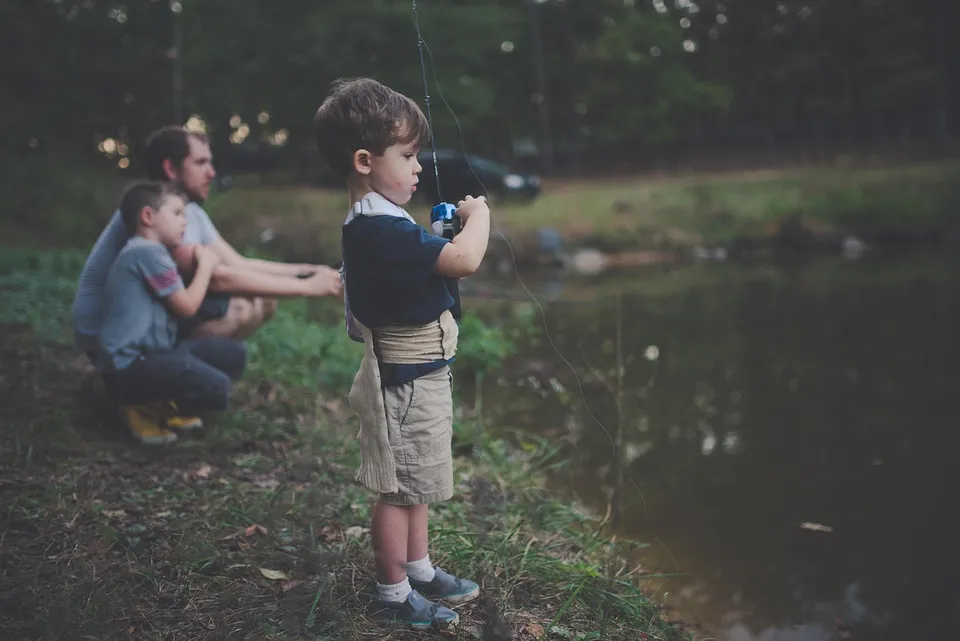
The Rainy River recreation pattern described by Lake of the Woods Tourism is one of the clearest explanations for why Baudette never feels static. Spring and fall bring fishing. Summer brings boating and fishing. Winter brings ice fishing. That is not merely a list of outdoor activities; it is a four-part calendar for how people use the area.
That seasonal variety changes the way a town functions. It means Baudette can feel like a different place depending on when you arrive. In one season, the local question is how to get on the water. In another, it is how to move around efficiently, where to stop, and which public spaces become the best reference points.
For newcomers, this is helpful because it keeps you from making the wrong assumption. Baudette is not only a summer town, and it is not only a winter town. It is a place where the water keeps redefining the public mood. That is why the same town can support quiet routine, visitor energy, and seasonal recreation without losing its identity.
What this means if you are new here
If you are arriving in Baudette for the first time, the best question is not simply “What is there to do?” It is “What season am I planning for?”
That question helps you choose your priorities:
- If you want to understand the town’s setting, start with the roads and the border views.
- If you want a quick local landmark, Bay Front Park and Willie Walleye give you one.
- If you want a broad, outward-looking stop, Peace Park is the better fit.
- If you want a stay that matches a more flexible travel style, Timber Mill Community Park campground is worth knowing about.
- If you want to understand why people keep coming back, look at how the Rainy River changes the way the whole area is used.
That is the real value in Baudette’s layout. It is not just that the town has places to go. It is that those places help explain how the community functions across the year.
Baudette is most interesting when you stop treating it like a single-purpose stop and start reading it as a town shaped by roads, border views, camping choices, and changing water seasons. Once you do that, the place becomes easier to navigate and a lot more interesting to spend time in.
If you are also sorting out work, staffing, or a hiring need tied to the Baudette area, you can call 218-WorkNow or email the office to discuss verified Express options.