
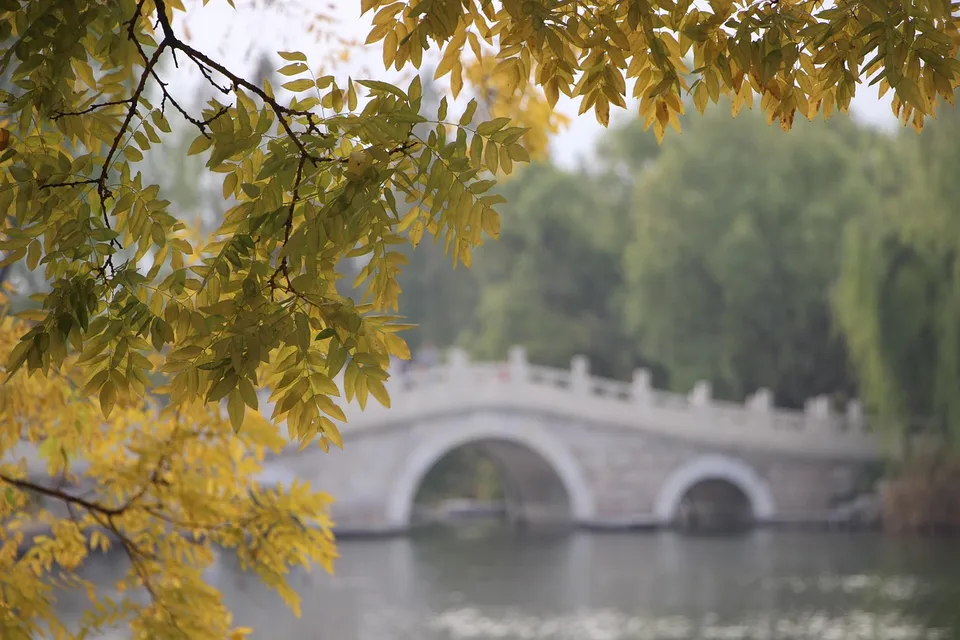
Baudette is small enough that a first-time visitor can think they understand it in one pass, but the town only really clicks when you notice that its places have different jobs. One park is for a mascot. Another is for a border view. The county seat is for the paperwork that keeps everyday life moving. That mix is what makes Baudette feel less like a single downtown and more like a compact system. The city identifies Baudette as sitting just south of Lake of the Woods on Highways 11 and 172, with three named municipal parks: Timber Mill Community Park, Peace Park, and Bay Front Park. Peace Park is where you look toward Canada and the International Bridge, while Bay Front Park is home to Willie the Walleye.
The parks are not duplicates
If you only have time to stop in one public place, Baudette’s parks tell you more about the town than a generic “city park” would. Bay Front Park is tied to Willie the Walleye, the local figure who has become one of Baudette’s clearest civic symbols. Peace Park is different: it is built around the border setting and the view across to Canada and the bridge. Timber Mill Community Park fills another role again, giving the city a campground option with both RV and primitive camping. Those differences matter because they show that Baudette’s public spaces are designed around actual use, not just decoration.
That is also a clue to how to think about the town. If you are visiting for fishing or a weekend in the area, the parks are not interchangeable photo stops. They help answer different questions. Where do people gather? Where do they orient themselves to the border? Where can someone base a short stay in town? Timber Mill’s campground language gives that last question a concrete answer without pretending to guarantee anything more than what is listed on the city’s site.
The county seat is the working center
A second useful Baudette fact is that the county government is not somewhere abstract on a county map. It is in town, at the Lake of the Woods County Government Center at 206 8th Ave SE. The county’s directory and department pages show that assessor, auditor/treasurer, court administration, emergency management, land and water, recorder, social services, sheriff, and public works are all centered through that county structure. For residents and newcomers, that means many important errands are county errands, not city errands.
That distinction helps explain why Baudette feels practical instead of sprawling. A person looking for a park, a border view, or county service can find each one for a different reason. The city office, county office, and parks are close enough to make the town feel navigable, but distinct enough to keep its functions clear. In a place with a modest footprint, the real map is often not streets alone; it is purpose.
The bridge changes what kind of town this is
Baudette is also more than a county seat because it is part of an international crossing. MnDOT identifies the Rainy River International Bridge as the connection between Baudette, Minnesota, and Rainy River, Ontario. The bridge was built in 1959 and replaced in 2020, which means the crossing is both historic and current: it is not just a memory of cross-border traffic, but active infrastructure that still shapes how the town relates to the region.
That border setting changes the feel of Peace Park and explains why the bridge belongs in any serious reading of Baudette. A town can have a highway and still not be a border town in any meaningful sense. Baudette is different. The bridge gives the town a direct line to another community and another country, so the border is part of everyday geography rather than a distant concept.
Seasons give the town more than one rhythm
Baudette’s usefulness changes with the season, and that is not a throwaway detail. Lake of the Woods Tourism describes spring and fall Rainy River fishing, summer boating and fishing, and winter ice fishing. That sequence tells you something important: the area is not built around one peak month and then a long pause. It cycles through different kinds of outdoor use, which helps explain why the town’s public places stay relevant across the calendar.
For a resident, that means planning around the season is normal. For a visitor, it means the town is likely to reward different kinds of stops depending on when you arrive. Spring and fall lean toward the river. Summer expands to boating. Winter shifts the logic again. Baudette’s identity holds together because its places are flexible enough to serve those shifts without losing their local meaning.
Why this matters if you are new here
The practical lesson is simple: in Baudette, the best way to understand the town is to separate what each place is for. If you need the town’s civic heartbeat, start at the county government center. If you want to understand the border relationship, start at Peace Park and the bridge. If you want the town’s most recognizable local symbol, go to Bay Front Park and Willie the Walleye. If you are thinking about a short stay, Timber Mill Community Park gives the city’s campground role a concrete shape. Those are not competing versions of Baudette. They are complementary ones.
That is why Baudette makes more sense than its size suggests. The town is not trying to be a large city. It is doing several small-town jobs very well: border access, county administration, seasonal recreation, and a few public places that tell you exactly where you are.
If you are also looking for work or hiring help in the area, you can call 218-WorkNow or email the office to discuss verified Express opportunities or a staffing need.